
 By
By 
When it comes to apps that help you make money on your own schedule, food delivery platforms remain one of the top choices.
The growth of the gig economy has opened the door to many new side-hustle opportunities, especially for people who have a car, bike, or even a scooter. Among all delivery apps, you’ve probably heard of DoorDash, Instacart, and of course—Uber Eats.
Uber Eats is undeniably a major player in the food-delivery industry, and for anyone looking to earn extra cash, it’s often one of the first apps to consider.
But is Uber Eats actually worth it? How much can you realistically earn?
This Uber Eats review breaks down real earnings data, how the app works, and what you should expect before signing up.
What Is Uber Eats?
Uber Eats is a food-delivery service that connects customers with local restaurants, cafés, and major chain brands. It’s one of the most widely available delivery apps in the world, partnering with more than 320,000 restaurants across 6,000+ cities.
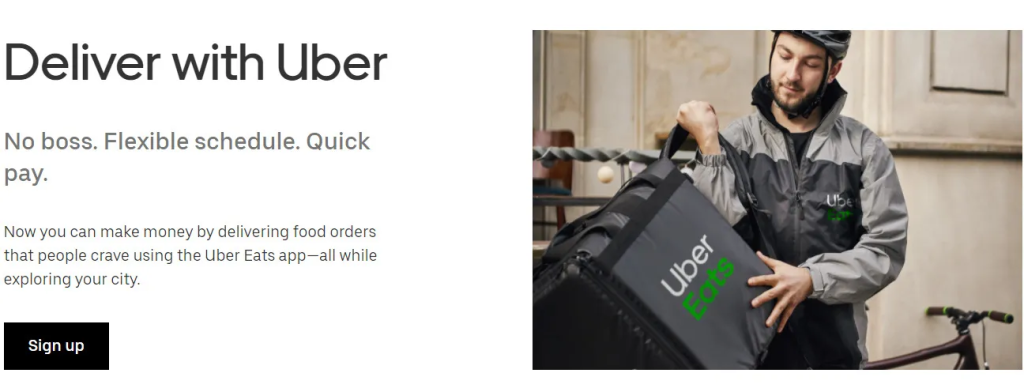
As an Uber Eats courier, you get paid to pick up and deliver meals and everyday essentials. You can deliver using a car, scooter, bicycle, and in some cities, even on foot.
One of the biggest benefits of working with Uber Eats is the freedom to choose your own schedule. Getting started is quick, simple, and requires very little equipment.
Still, it’s important to understand what the job involves, your earning potential, and how to get the most out of every hour you spend delivering.
Is Driving for Uber Eats Worth It?
Uber Eats is worth trying if you want a flexible side gig that pays around $12–$20 per hour, depending on tips and your city. It works best if:
.You live in a medium or large city
.You enjoy driving or biking
.You want to choose your own hours
However, Uber Eats may not be worth it if you’re seeking a stable hourly wage or if you live in a rural area with low order volume.
Overall, Uber Eats remains one of the most popular gig apps. Its flexibility is a major advantage, allowing you to work whenever you want.
How Much Can You Make with Uber Eats?
Most couriers report earning $12 to $20 per hour, but income varies depending on:
.City demand
.Number of deliveries per hour
.Tips
.Promotions
.Traffic and restaurant wait times
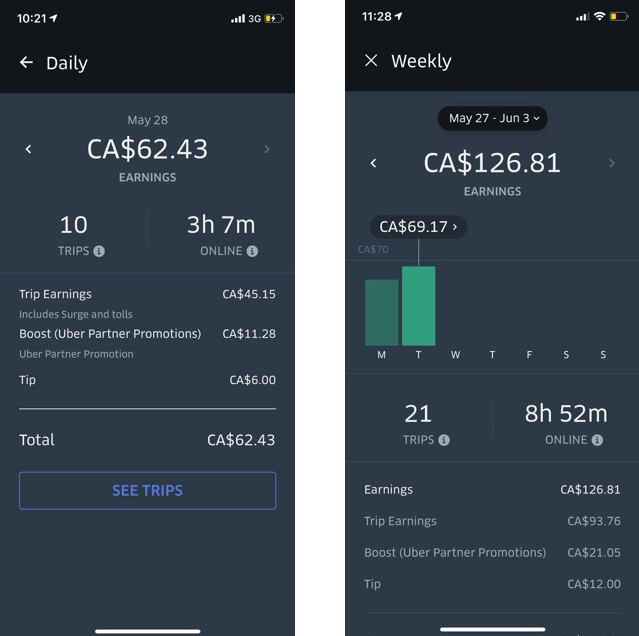
For example, Grant, a courier who delivers in Toronto by bike, consistently makes $15–$25 per hour, averaging around $20 on busy evenings.
In the U.S., reported averages are similar:
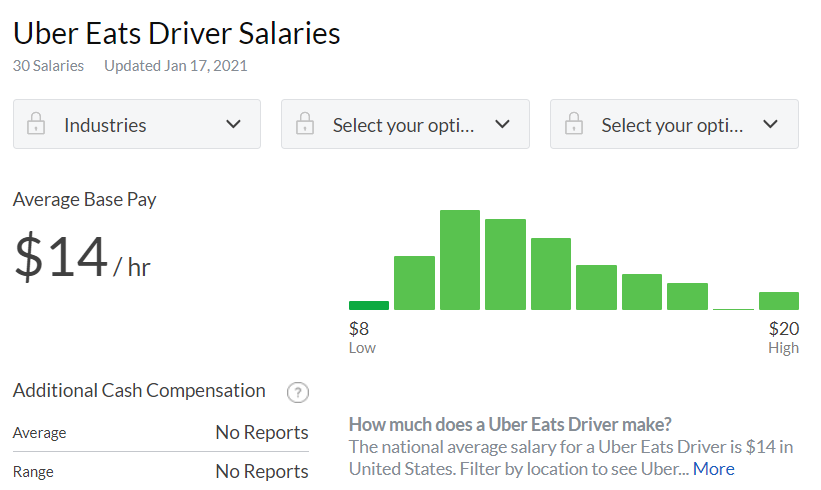
.Glassdoor: ~$14/hour
.Indeed: ~$14.18/hour
Your earnings depend heavily on strategy—knowing which areas are busy, when to work, and which orders to accept.
What Do Other Couriers Say?
Here are real experiences from Reddit delivery drivers:
.TalkingToPlanets:
“It’s worth trying, but be aware of wear and tear on your vehicle. Pay has dropped in recent years. Try multiple apps to see what works in your market.”
.Affectionate_Day8350:
“Great during dinner rush. I earn about $18–$22/hour in the evenings, but daytime drops to around $10/hour.”
.effkroger:
“Use Uber Eats, DoorDash, Grubhub, or Instacart. Every city is different—test them all.”
Common advice:
Work peak hours, factor in gas and maintenance, and use more than one app to increase earnings.
How Uber Eats Works
If you’re new to delivering, here’s what a typical delivery looks like from start to finish.
- Meet Uber Eats Driver Requirements
If you’re already an Uber rideshare driver, you can simply enable delivery in your settings. Otherwise, download the Uber Driver app (iOS or Android) and complete the sign-up process.
General requirements:
.Age 19+ for car deliveries (18+ for bike/scooter)
.Valid driver’s license (1+ year experience)
.Vehicle insurance with your name on the policy
.2- or 4-door vehicle, under 20 years old
.Background check
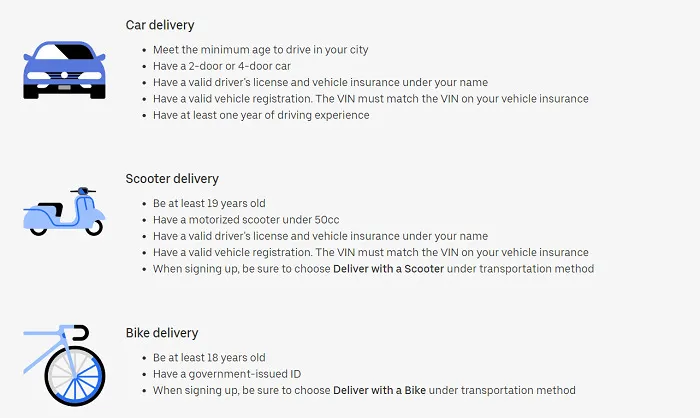
Requirements vary by city, so check your local guidelines.
Once approved, you can start delivering immediately.
- Start Accepting Delivery Requests
Turn on “Delivery” under your driving preferences.
The app will show available orders with details such as:
.Restaurant name
.Order items
.Pickup and drop-off distance
.Estimated pay
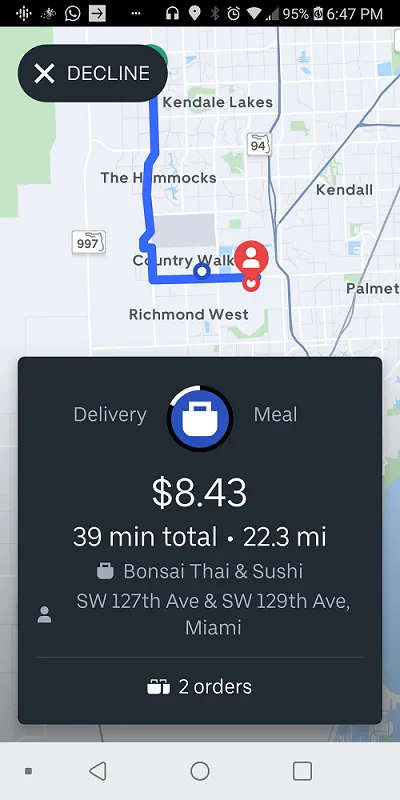
There’s no acceptance-rate requirement, so you can decline low-paying requests.
- Pick Up the Order
Once you accept an order:
.Drive to the restaurant
.Confirm the customer’s name and order number
.Mark the order as picked up in the app
If the food isn’t ready, update the status so the customer knows it’s the restaurant causing the delay—not you.
- Deliver the Order
Keep hot and cold items separate to maintain quality.
When you arrive:
.Follow the app’s delivery instructions
.Complete contactless delivery if requested
.Notify the customer once the order is dropped off
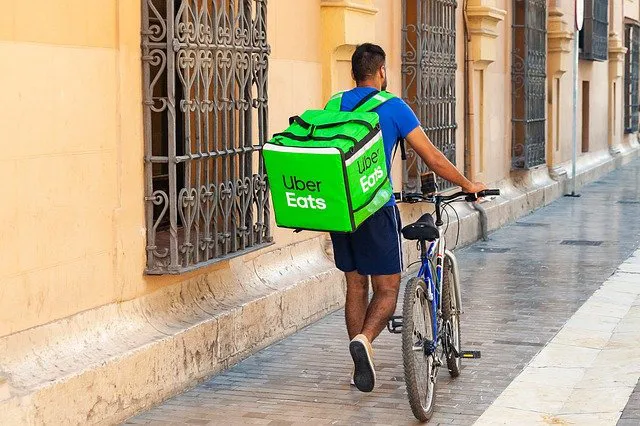
Good service often leads to higher tips.
- Get Paid
Uber Eats calculates your earnings using:
.Earnings = Base Fare + Trip Supplement + Promotions + Tips
.Base Fare: pickup, drop-off, time, and distance
.Trip Supplement: extra pay if the delivery takes longer than expected
.Promotions: surge pricing and boosted pay
.Tips: 100% goes to you

Payments are deposited automatically each week, and Instant Pay lets you cash out the same day for a small fee.
Tips to Earn More with Uber Eats
- Drive for Both Uber & Uber Eats
You can accept food deliveries and rideshare requests at the same time, reducing downtime.
- Work Peak Hours
The busiest times usually include:
.Lunch
.Dinner
.Late-night weekends
.Sunday brunch
Higher demand = more orders + more tips.
- Deliver by Bike (If Possible)
Biking eliminates gas costs and reduces vehicle wear. In traffic-heavy cities, it may even be faster.
- Stack Multiple Orders
Uber Eats often offers second pickups along your route. This boosts earnings while reducing travel time.
- Use Multiple Apps
Operate Uber Eats alongside apps like:
.DoorDash
.Instacart
.Walmart Spark
.Shipt
This ensures you always have orders available.
Pros and Cons of Uber Eats
Pros
.Fully flexible schedule
.Fast payouts with Instant Pay
.Ability to combine rideshare and food delivery
.Easy sign-up process
Cons
.You cover taxes, gas, and all expenses
.Vehicle wear and maintenance costs
.Pay can be inconsistent
.Competition with other couriers
How Much Can You Make per Week?
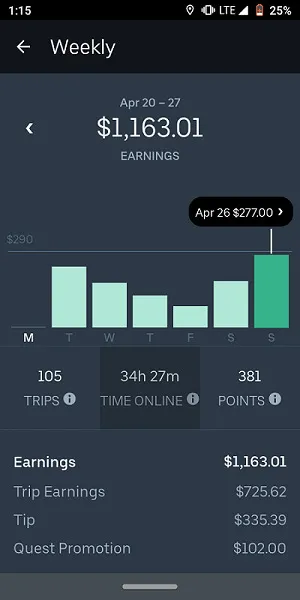
If you worked the maximum 12 hours per day, 7 days per week at ~$14/hour, you could theoretically make about $1,176 weekly.
Most part-time couriers earn:
.$100–$150 per busy evening shift
.$100–$700 per week, depending on hours worked
Some couriers even hit $1,000+ weekly using multiple apps and working peak hours.
Frequently Asked Questions
When Do You Get Paid?
Weekly payments every Monday.
Instant Pay also lets you cash out on the same day for $0.85.
Is Uber Eats Still Worth It After Taxes?
Expect to save 25–30% of earnings for taxes.
You can deduct business expenses such as:
.Mileage
.Tolls & parking
.Phone bill
.Gear & supplies
.Car maintenance
.App fees
Use apps like Everlance or Hurdlr to track expenses easily.
Does Uber Eats Pay for Gas?
No.
All fuel and maintenance costs are your responsibility.
Final Verdict: Is Uber Eats Worth Doing?
Uber Eats can be a great side hustle if you want flexible hours and don’t mind driving. Many drivers earn above minimum wage, and tips can significantly increase your hourly rate.
However, it’s not a good full-time replacement for a stable job, and costs like gas and car maintenance can reduce profits.
If you try Uber Eats, track your earnings and expenses from day one. And consider pairing it with apps like DoorDash, Instacart, or Spark to maximize your income.